 Loading... Please wait...
Top Menu
 Loading... Please wait...

Heavy-Duty Forklifts Built for Maximum Uptime
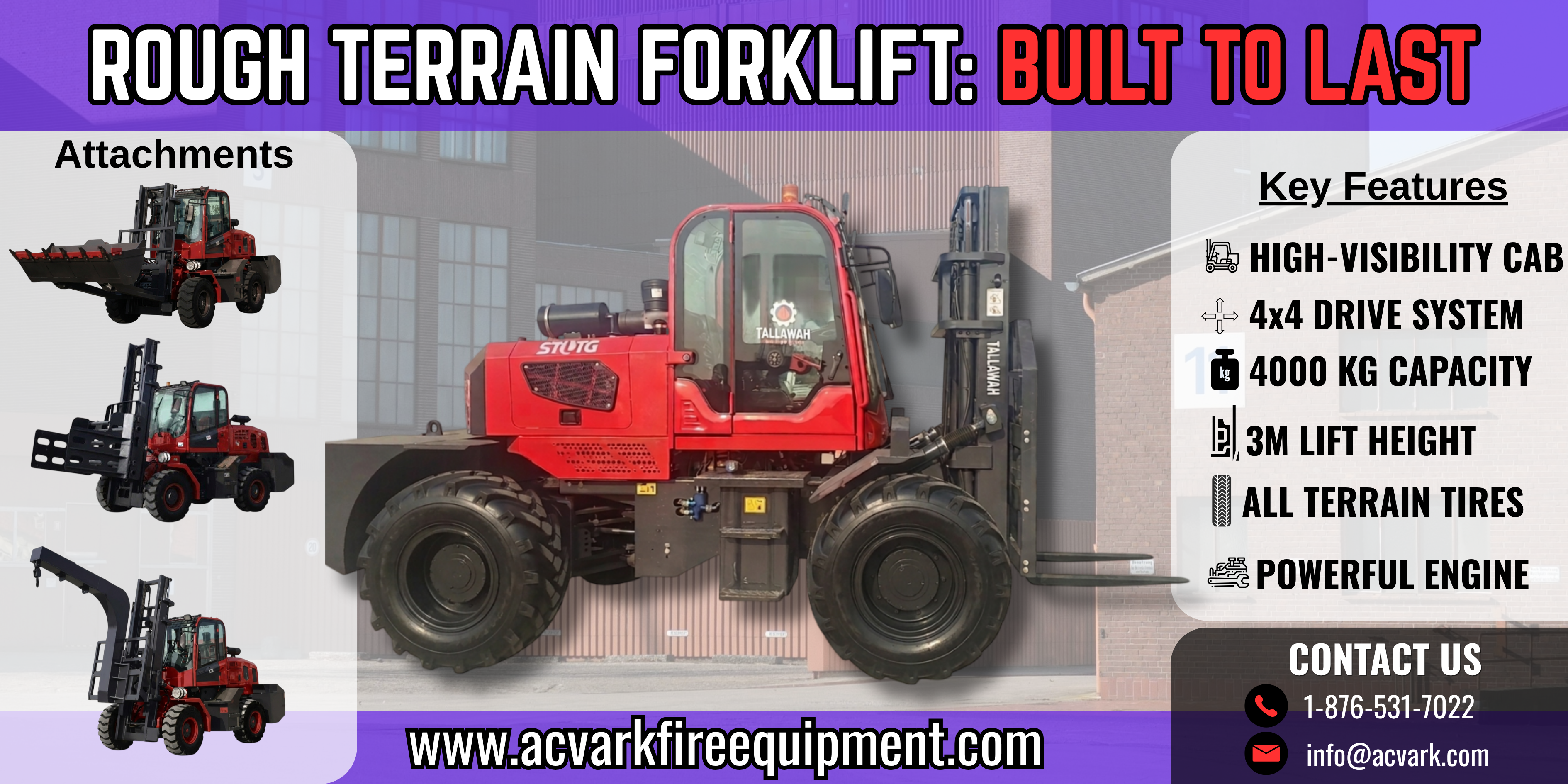
Rough Terrain Forklift Features:
Rough Terrain Forklift
The rough terrain forklift is a robust and versatile machine designed to handle demanding job sites with ease. Equipped with a powerful engine and a reliable 4x4 drive system paired with specialized all-terrain tires, it delivers exceptional traction and performance on uneven ground. It features a substantial 4000 kg capacity and a 3m lift height, making it ideal for heavy-duty lifting tasks outdoors. Additionally, operators can work safely and efficiently thanks to the high visibility cab, which ensures a clear line of sight in busy environments.
Equipped with robust tires and a powerful engine, our forklifts ensure stable and efficient operation even on the toughest terrains. These robust machines are ideal for construction sites, agricultural fields and any environment with uneven or rough surfaces. Key features include superior lift capacity, expectional maneuverability and enhanced safety measures.
Capacity:
3-10 Tonne
Overall Dimensions:
3800*1850*2450 ~ 4720*2200*2800
With a rough terrain forklift, you can improve operational efficiency and productivity. This forklift has higher ground clearance, traction and stability, enabling them to move materials and goods soothly even in challenging environments.
Engineered for construction sites, forests and uneven terrain, our rough terrain forklift combines strength, agility and advanced safety features. Its ergonomic design and user-friendly controls enhance operator comfort and efficiency.
With a high ground clearance, powerful engine and four-wheel drive, it conquers any surface, ensuring productivity even in the toughest conditions:
Experience the benefits of superior load handling, exceptional stability and unmatched durability.
This rough terrain forklift is engineered with a robust four-wheel drive system. Fueled by the reliable engine, this forklift delivers unrivaled power and agility to conquer even the most challenging terrain. Their reputation for exceptional performance, efficiency and durability has earned them global recognition.
This rough terrain forklift was meticulously crafted with the vision of offering a versatile and reliable solution. The concept behind this forklift revolves around their aptitude to excel in diverse environments, ensuring remarkable performance even in the hardest conditions.
Features
The Advantages of Our Off-road Forklift Truck
, also known as a telescopic handler, is a versatile lifting machine that combines the features of a forklift and a crane. It is equipped with a telescopic boom that can extend and retract, allowing it to reach higher heights and longer distances than a typical forklift. Telehandlers are commonly used for tasks such as lifting and placing heavy materials, loading and unloading trucks, and working on construction sites.
While both rough terrain forklifts and telehandlers are built to handle outdoor environments, telehandlers have the added advantage of a telescopic boom that offers greater flexibility and reach. Depending on the specific requirements of the job, one may be more suitable than the other.
Rough terrain forklifts are frequently required for lifting and transporting heavy materials on construction sites. By partnering with contruction firms, you can provide your forklift services and earn money on a project basis.
Rough terrain forklifts excel in handling timber and lumber-related operations. Logging companies, sawmills, or wood processing facilities may require your services to move logs, stacks of timber, or finished goods.
In disaster-stricken areas or during salvage operations, a rough terrain forklift can be highly valuable. By partnering with recovery teams or insurance companies, you can help in the recovery process and earn money through your specialized equipment.
Farms and agricultural businesses often need rough terrain forklifts to handle tasks such as loading, unloading, and transporting supplies. You can offer your services to farmers during busy seasons or engage in long-term contracts for consistent income.
Remember, the profitability of your investment depends on factors like market demand, competition, pricing and effective marketing strategies. It's important to conduct thorough research and develop a business plan tailored to your specific target market before venturing into this investment.
Difference Between Rough Terrain Forklift And Crane
The main difference between a rough terrain forklift and a crane lies in their primary functions and capabilities.
A rough terrain forklift, as mentioned earlier, is a type of forklift designed to operate in rugged outdoor terrains. It is primarily used for lifting and transporting heavy loads in these challenging environments. Rough terrain forklifts have features such as special tires, larger wheels and a higher ground clearance top navigate uneven surfaces. They are commonly seen in industries like construction, agriculture and forestry.
On the other hand, a crane is a type of lifting machine specifically designed for hoisting and moving heavy loads in these challenging environments. Rough terrain forklifts have features such as special tires, larger wheels, and a higher ground clearance to navigate uneven surfaces. They are commonly seen in industries like construction, agriculture and forestry.
On the other hand, a crane is a type of lifting machine specifically designed for hoisting and moving heavy objects or materials vertically and horizontally. Cranes typically have a boom or arm that can be raised or lowered using cables or hydraulic systems, allowing them to reach significant heights. They are commonly used in construction sites, shipping yards, and other areas where heavy lifting is required.
While both rough terrain forklifts and cranes can handle lifting tasks, cranes are typically more specialized and have higher lifting capacities. Cranes can handle much larger loads and can reach greater heights with their extended boom or arm. Rough terrain forklifts function more like traditional forklifts, but with added capabilities to operate in outdoor terrains.
In summary, a rough terrain forklift is designed for general lifting and heavy load transportation in rugged outdoor terrains, while a crane is a specialized machine used for heavy lifting at both great heights and distances.
What Are The Most Rough Terrain Forklift Used For?
Attachments available below:
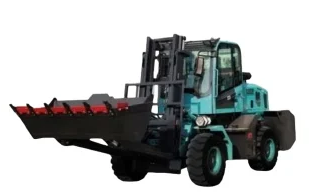
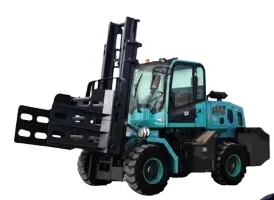
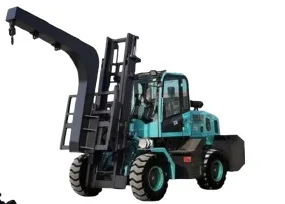
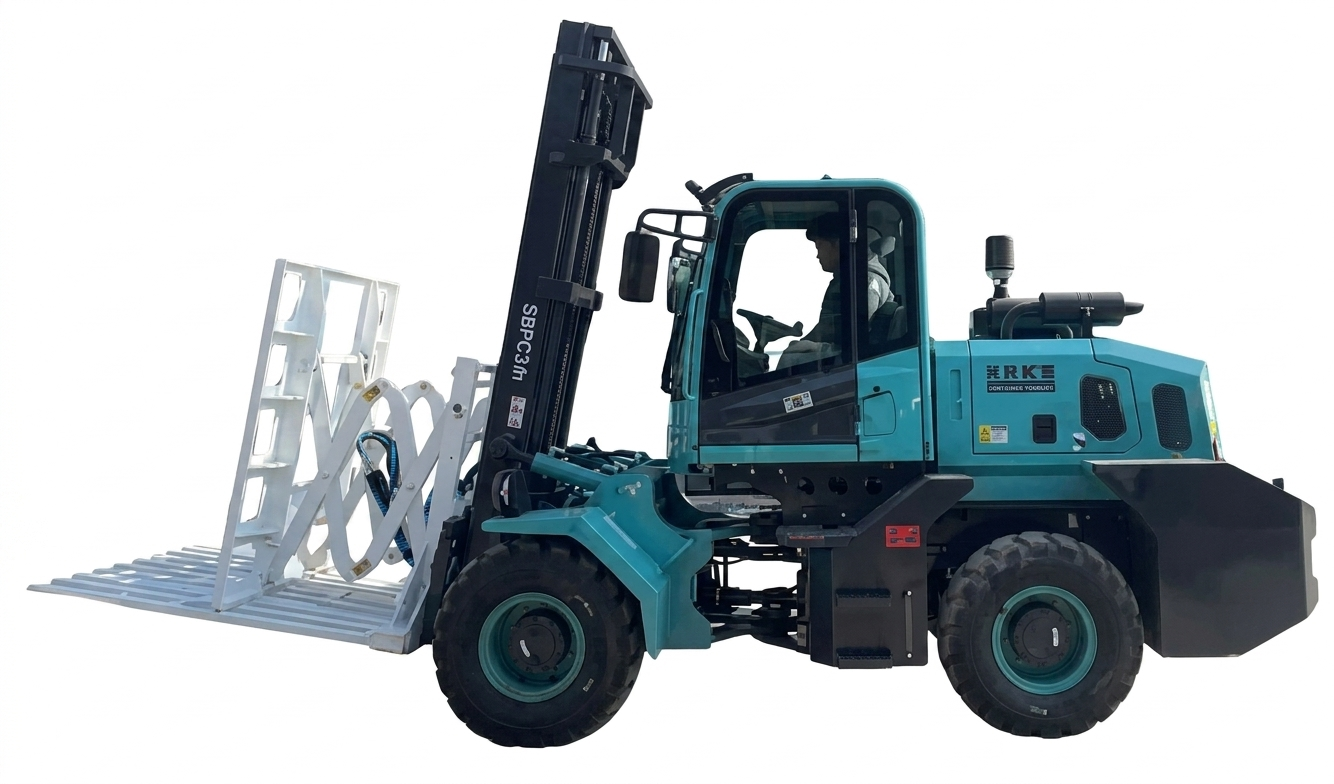
Rough terrain forlifts are commonly used in a variety of industries where the ability to operate in rugged outdoor terrains is necaessary. Some of the most common applications of rough terrain forklifts include:
These are just a few examples of the industries and applications where rough terrain forklifts are commonly used. Their versatility and ability to navigate challenging outdoor conditions make them an essential tool in many sectors that involve heavy lifting and transportation in rough terrains.
Landscaping and Outdoor Forklift Applications
Outdoor forklifts play a crucial role in landscaping by providing efficient and reliable material handling solutions, aiding in tree and plant handling and assisting with outdoor maintenance projects. Here are some ways outdoor forklifts are commonly used in landscaping:
It's important to note that when using outdoor forklifts in landscaping projects, operators should have appropriate training and adhere to safety protocols to maximize productivity and prevent accidents. By integrating outdoor forklifts into landscaping operations, professionals can enhance their efficiency, tackle challenging tasks with ease and achieve remarkable results in creating beautiful outdoor spaces.
Rough Terrain Forklifts Capacities
Rough terrain forklifts are specialized machines designed to handle challenging terrains and harsh environments. They feature rugged construction, off-road capabilities and are suitable for various industries that require heavy lifting in demanding conditions.
Here's an in-depth analysis of rough terrain forklifts with different load capacities:
These rough terrain forklifts are specifically designed to withstand outdoor conditions and navigate through challenging terrains with ease. Their load capacities and applications cater to various industries, providing efficient material handling solutions in rugged environments. When selecting a rough terrain forklift, it's essential to consider the specific application, terrain conditions and required load capacity to ensure optimal performance and productivity.
Factors Influence Rough Terrain Forklifts
The capacity of a rough terrain forklift is determined by a number of factors, including:
It is important to choose a rough terrain forklift with a capacity that is appropriate for the tasks you will be using it for. If you choose a forklift with a capacity that is too low, you may not be able to lift the loads that you need to. If you choose a forklift with a capacity that is too high, you may be paying for more capacity than you need.
Here are some guidelines for choosing the right capacity rough terrain forklift:
It is also important to consider the weight of the attachments that you will be using with the forklift. For example, if you will be using a forklift to lift and move pallets, you will need to factor in the weight of the pallets when choosing a forklift capacity.
If you are unsure about what capacity rough terrain forklift you need, you should contact a local forklift dealer. They will be able to help you choose the right forklift for your needs and budget.
Sinotech Luton Multifunctional Rough Terrain Forklift
Jobs Rough Terrain Forklift Handle
A rough terrain forklift is a type of forklift that is designed topoperate on an uneven area. Rough terrain forklifts are typically used in construction, mining, and other industries where there is a need to move heavy loads over rough terrain.
Rough terrain forklifts are equipped with large, knobby tires that provide good traction on uneven surfaces. They also have a high ground clearance, which allows them to clear obstacles such as rocks and logs.
Rough terrain forklifts can be used to perform a variety of tasks, including:
Rough terrain forklifts are a versatile and powerful tool that can be used to improve productivity and safety in avariety of applications.
Here are some specific examples of how rough terrain forklifts can be used:
Rough terrain forklifts are a valuable assest for any business or organization that needs to move heavy loads over rough terrain.
Rough Terrain Forklift vs. Rough Terrain Telehandler
Rough terrain forklifts are designed primarily for lifting and moving heavy loads. They have a forks that can be used to lift pallets, crates, and other objects. Rough terrain forklifts are also equipped with a mast that allows them to lift loads to a height of several feet.
Rough terrain telehandlers are more versatile than rough terrain forklifts. They can be used for a wider variety of tasks, including lifting and moving heavy loads, placing materials on scaffolding and other elevated surfaces, and clearing debris from construction sites. Rough terrain telehandlers are equipped with a boom that can be extended and retracted, allowing them to reach over obstacles and place loads in hard-to-reach areas.
Here is a table that summarizes the key differences between rough terrain forklifts and rough terrain telehandlers:
| Feature | Rough Terrain Forklift | Rough Terrain Telehandler |
| Primary Function | Lifting and moving heavy loads | Lifting and moving heavy loads, placing materials on elevated surfaces, clearing debris |
| Attachments | Forks | Forks, buckets, winches |
| Boom | No | Yes |
| Reach | Limited | Extended |
| Versatility | Less versatile | More versatile |
Ultimately, the best machine for your needs will depend on the specific tasks you will be using it for. If you need a machine that is primarily used for lifting and moving heavy loads, a rough terrain forklift is a good option. If you need a more versatile machine that can be used for a wider variety of tasks, a rough terrain telehandler is a better choice.
Here are some additional factors to consider when choosing between a rough terrain forklift and a rough terrain telehandler:
Once you have considered all of these factors, you can make an informed decision about which type of machine is best for your needs.
In general, rough terrain telehandlers are taller than rough terrain forklifts because of their need to reach higher elevations. However, the specific height of a rough terrain forklift or rough terrain telehandler will vary depending on the make and model of the machine.
Here is a table that summarizes the key differences in height between rough terrain forklifts and rough terrain telehandlers:
| Feature | Rough terrain forklift | Rough terrain telehandler |
| Height | 8-12 feet | 10-18 feet |
| Purpose | Lifting and moving heavy loads | Lifting and moving heavy loads, placing materials on elevated surfaces, clearing debris |
| Boom | No | Yes |
Rough terrain telehandlers are versatile machines that can perform a wide variety of tasks, including:
Telehandlers can also be used with a variety of attachments, which makes them even more versatile. Some common attachments include:
With their versatility and wide range of attachments, rough terrain telehandlers are a valuable asset for any business or organization that needs to move heavy loads or perform other tasks on uneven terrain.
Here are some specific examples of how telehandlers are used in different industries:
Telehandlers are a versatile piece of equipment that can be used for a wide variety of tasks in a variety of industries. Their ability to lift and move heavy loads, reach high elevations, and work on uneven terrain makes them a valuable asset for any business or organization.






All prices are in JMD. Copyright 2026 AcVark Fire and Security Equipment Co. Ltd. Sitemap | Powered by HB-Commerce